
False Ceiling and Partition Price Singapore: 2026 Cost Guide + Calculator
Complete 2026 false ceiling and partition price Singapore guide: 40+ installed rates, market benchmark of 6 price lists, HDB budgets by flat type, a free cost calculator and HDB rules.
Ultimate Guide to False Ceiling Installation in Singapore (2026)
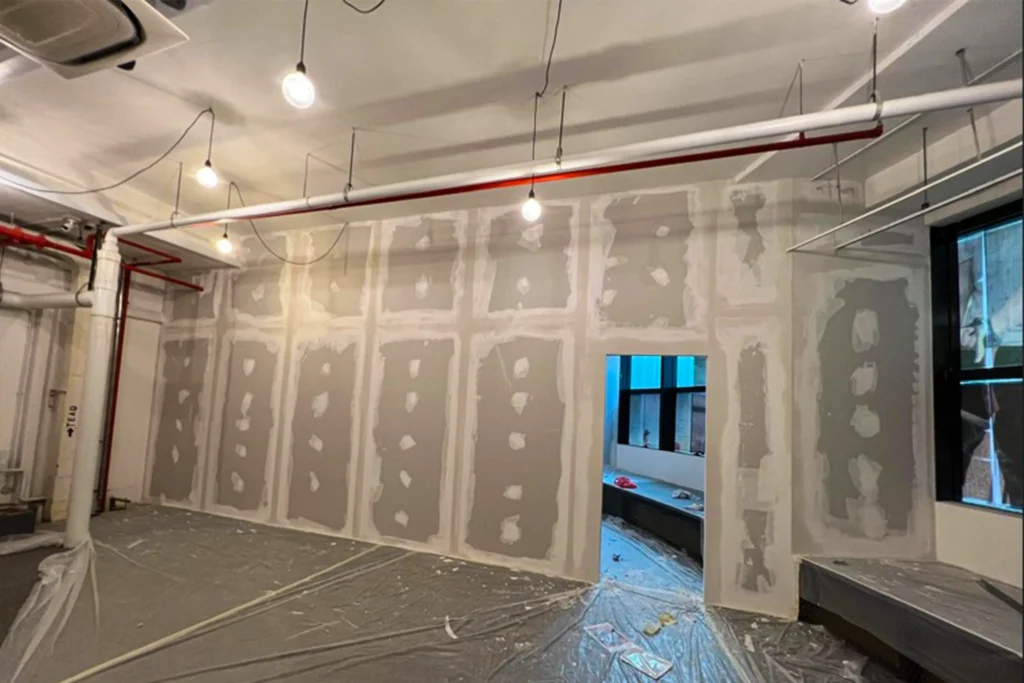
False Ceiling Installation Singapore: this is the only guide you’ll need in 2026 — covering designs, HDB rules, real 2026 pricing, and how to hire the right contractor. Exposed wiring. Patchy concrete slabs. Aircon pipes running across your living room ceiling like an afterthought. If you’re renovating a home in Singapore, an ugly ceiling can undo an otherwise beautiful room. The good news: false ceiling installation fixes all of it — hiding cables, smoothing out uneven slabs, and giving you a clean base for cove lighting or a statement L-box design. In this guide, you’ll get a complete breakdown of false ceiling types, 2026 pricing in SGD, HDB height regulations, the installation process, and exactly what to check before hiring a contractor in Singapore. 🔑 Key Takeaways Cost: Standard flat ceilings run $3.50–$6.00/sqft; L-box and cove-light designs cost $12–$25 per foot run. HDB rule: You must keep at least 2.4m clear height after installation — most flats have a 2.6m raw slab, leaving roughly 200mm of drop budget. Best material: Moisture-resistant gypsum (“green board”) holds up best against Singapore’s humidity. Timeline: A standard 4-room HDB flat takes 3–5 working days. Permit: HDB requires a renovation permit for false ceiling works — your contractor should apply for this on your behalf. Ready to get exact pricing for your flat? Get a Free False Ceiling Quote Today What Is a False Ceiling & Why Do Singapore Homes Need One? A false ceiling (also called a suspended or drop ceiling) is a secondary ceiling built below the original concrete slab, usually from gypsum board fixed to a galvanised metal frame. In Singapore, where flats and condos are handed over with exposed slabs, aircon trunking, and service pipes, a false ceiling isn’t just decorative — it’s practically standard practice in any full renovation. It solves real, everyday problems that show up the moment you move furniture in and switch the lights on: How false ceiling installation in Singapore works: metal frame, gypsum board, L-box and cove lighting fitted below the raw slab, keeping HDB’s 2.4m minimum clear height. 1 Hides Wiring & Trunking Conceals aircon pipes, electrical cables, and plumbing lines for a clean, finished look. 2 Evens Out the Slab Masks uneven concrete, beam drops, and patchy handover finishes common in BTOs and resale flats. 3 Enables Cove Lighting Creates the recess needed for hidden LED strips and ambient indirect lighting. 4 Improves Acoustics & Resale Value Adds sound dampening and signals a well-finished renovation to future buyers. Popular False Ceiling Types in SG Not every room needs the same treatment. Picking the wrong type is one of the most common (and costly) renovation mistakes we see — here’s how the four most common designs actually compare, room by room. 1. Flat / Box-Up Ceiling A full, flush ceiling that completely conceals the original slab, aircon trunking, and wiring behind a single smooth plane. It gives the most “finished” look of all four options, but it also eats the most height and is the most expensive per square foot since it covers the entire room. Best for: bedrooms, hallways, and homeowners who want a seamless, hotel-style finish. 2. L-Box Ceiling A perimeter drop around the edges of the room only, leaving the centre slab exposed or painted flat. Because it only wraps the walls, it uses far less material than a full box-up and preserves more headroom in the centre of the room. Best for: budget-conscious homeowners who still want a defined, designed look without dropping the whole ceiling. 3. Cove Light Ceiling Similar in structure to an L-box, but built with a recessed channel that hides an LED strip, throwing soft, indirect light upward along the ceiling edge. This is the single most requested upgrade for Singapore living rooms because it makes a flat feel noticeably larger and more premium at night. Best for: living and dining rooms where ambient lighting and atmosphere matter. 4. Drop / T-Bar Ceiling A grid-mounted, panel-based ceiling that’s easy to lift and access for maintenance, unlike a fixed gypsum board ceiling which needs to be cut open for repairs. It’s also the most water- and humidity-tolerant option when fitted with mineral fibre or PVC panels. Best for: kitchens, utility areas, and yards where pipes and pumps need regular servicing. HDB False Ceiling Regulations & Height Limits You Must Know This is the section most homeowners get wrong. Get it wrong and you could end up with a ceiling that feels claustrophobic — or worse, fails your HDB renovation permit. Raw slab height: Most HDB flats have a floor-to-slab height of around 2.6m. Minimum clear height: After the false ceiling, trunking, and any L-box are installed, HDB guidelines require a minimum clear ceiling height of 2.4m in habitable rooms. Drop budget: That leaves roughly 150–250mm of usable drop — tight if you’re also concealing thick aircon trunking. Smoke detectors: SCDF requires smoke detectors to remain unobstructed and correctly positioned — your contractor must design around this, not over it. Renovation permit: False ceiling and cornice works require an HDB renovation permit, which a registered contractor applies for on your behalf. BTO vs. Resale: New BTO flats usually have straighter, more consistent slabs fresh off handover, making installation faster and slightly cheaper. Older resale flats often have uneven surfaces, legacy wiring, water stains, or prior renovation work that needs to be assessed first — always request a site survey before getting a fixed quote, rather than a phone-in estimate. Good to know: As a 1st Class EMA-licensed electrical contractor, our team designs cove and L-box lighting layouts that are both HDB-compliant and safely wired — not every false ceiling installer is licensed to do this. Gypsum Board Materials: What Actually Holds Up in Singapore’s Humidity Not all “gypsum board” is the same, and material choice matters more in Singapore than almost anywhere else. Year-round humidity above 70% will warp, yellow, or sag the wrong board within a couple of years. Standard board (9mm–12mm): The workhorse option for