

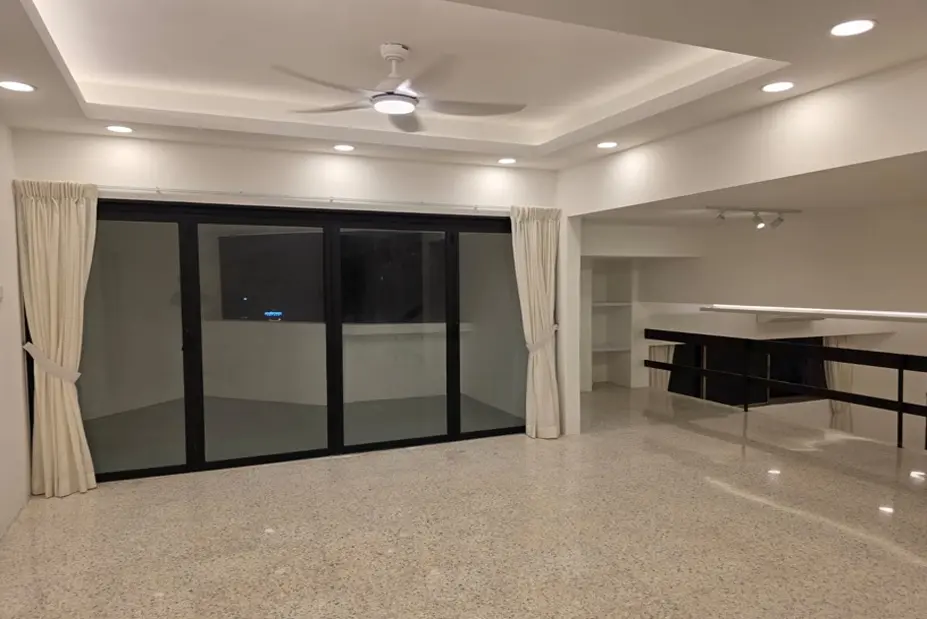
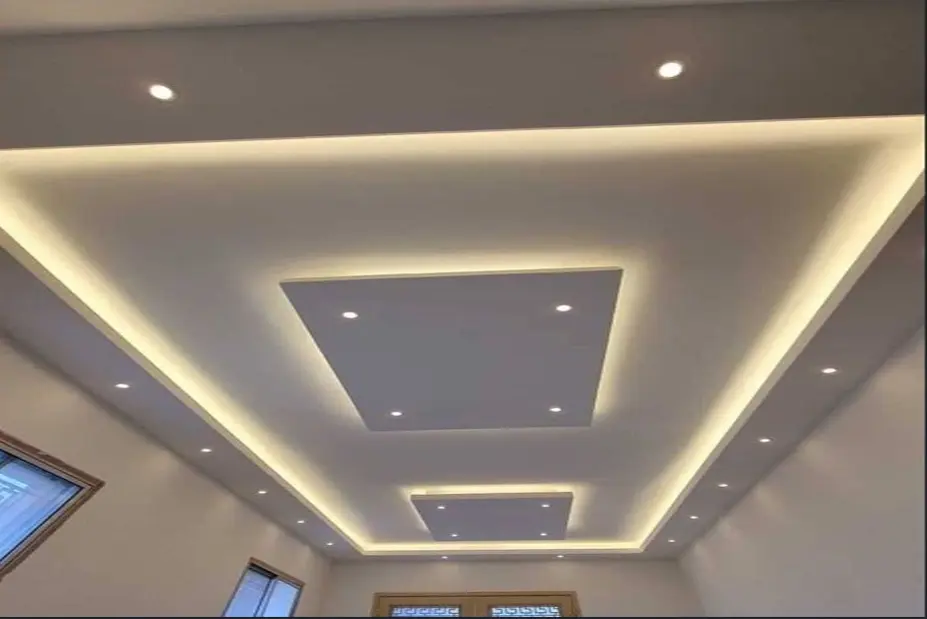
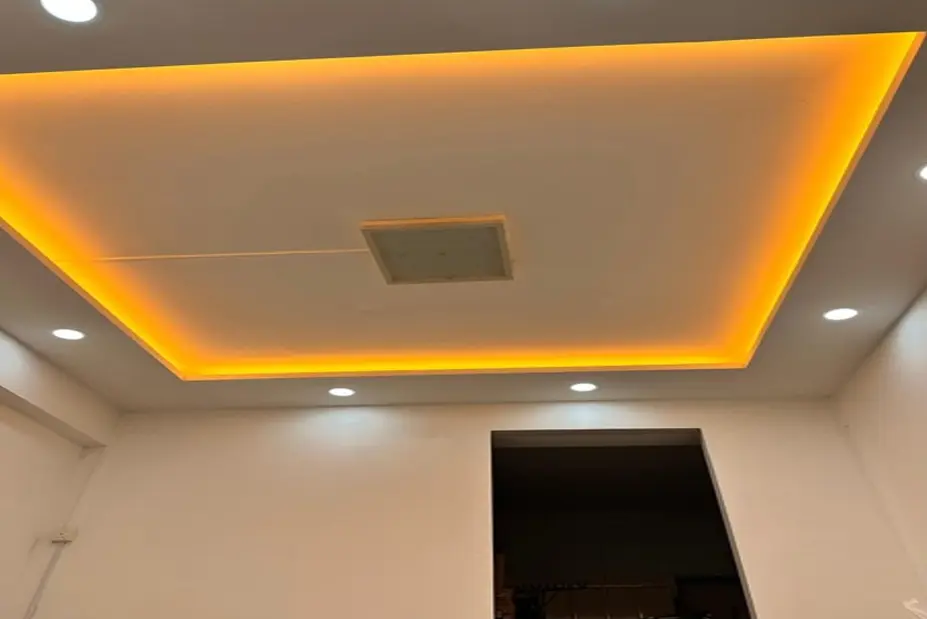
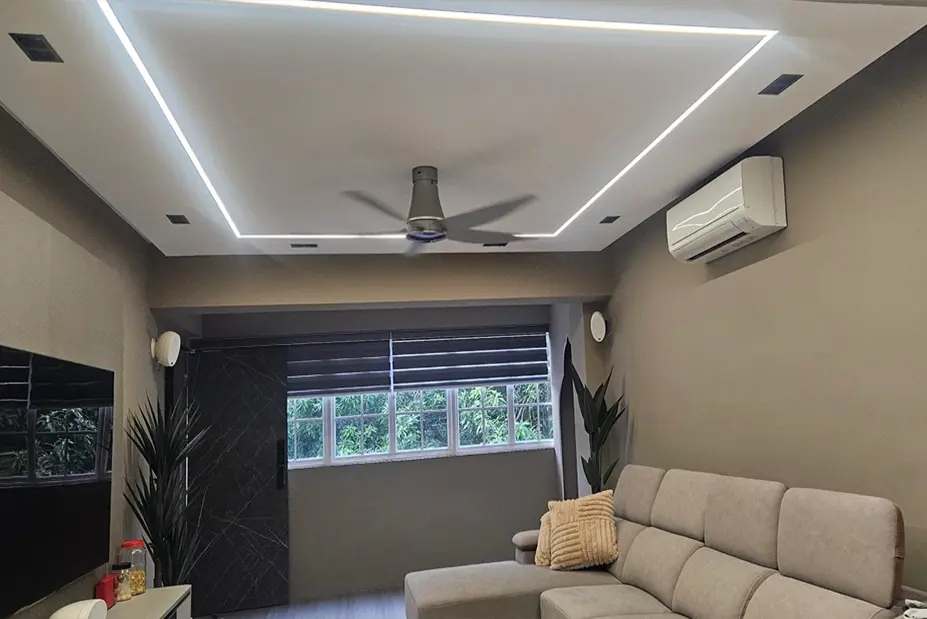
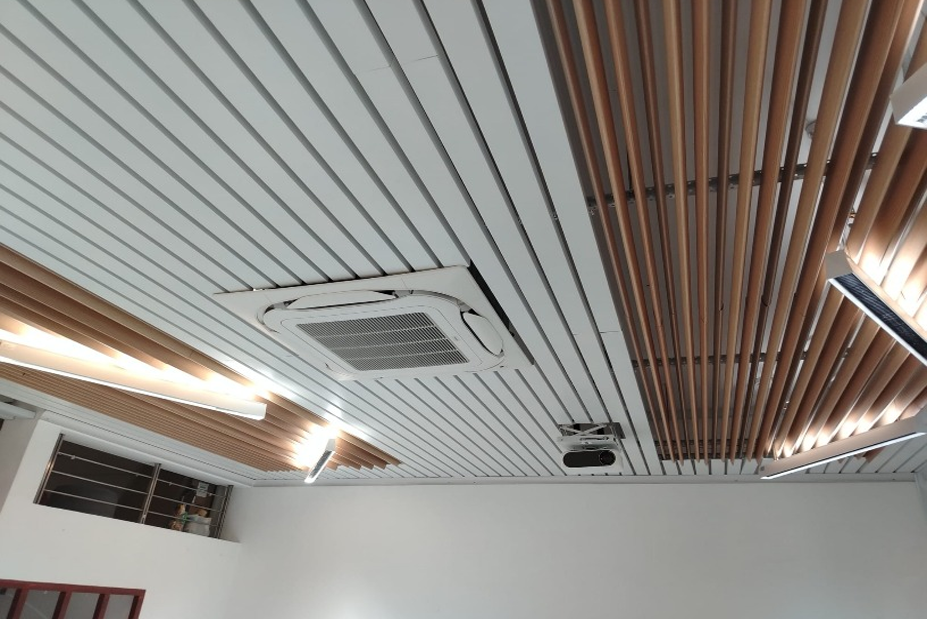
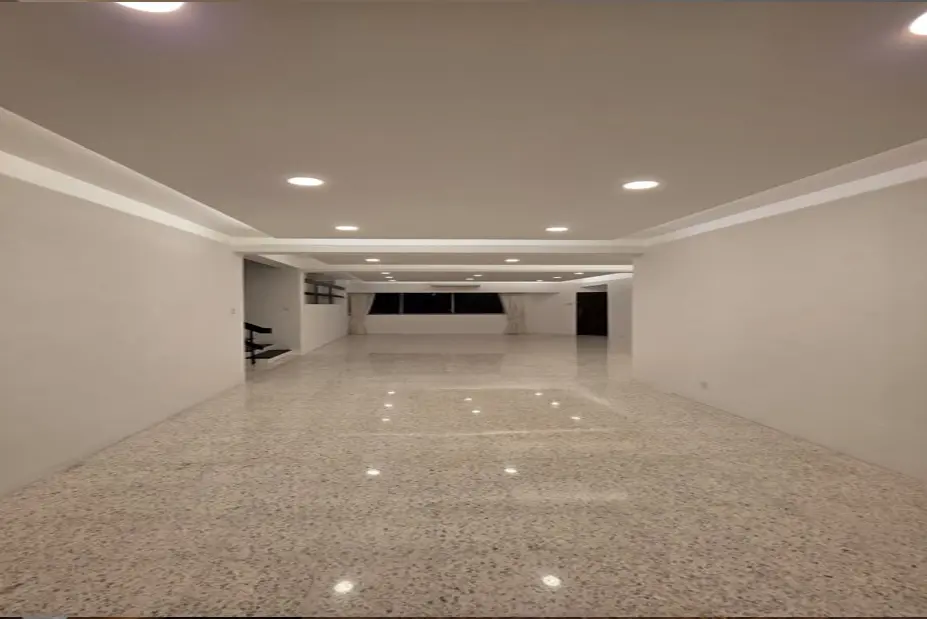
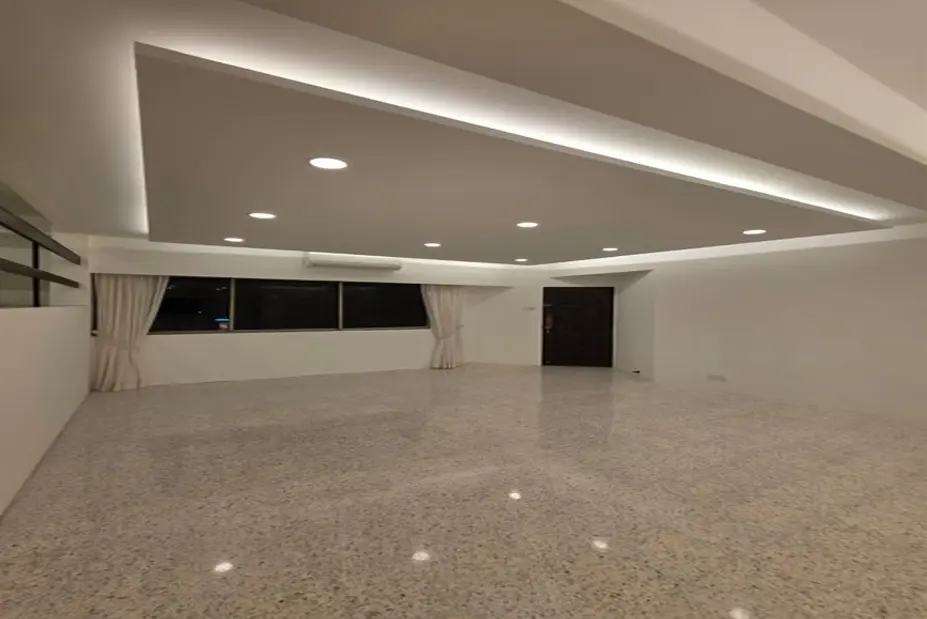
A false ceiling Singapore homeowners install is a secondary ceiling built a few inches below the original concrete slab, usually framed in metal and finished with plasterboard, POP, or timber slats. In short: it’s a “ceiling within a ceiling” that hides ugly trunking, aircon pipes, and wiring while creating a clean surface for recessed downlights or cove lighting. Most HDB and condo owners in Singapore install one during renovation to hide services, improve the visual height of a room, and add a designer lighting effect without any structural work to the actual slab above.
Search interest in false ceiling Singapore renovation ideas has climbed steadily over the past few renovation cycles, and it’s easy to see why — a well-designed ceiling is one of the few upgrades that changes the entire feel of a room without touching your floor plan or your wallet the way a full renovation does. Whether you’re furnishing a brand-new BTO, refreshing a resale flat, or fitting out a condo, understanding what a false ceiling actually involves helps you brief your contractor clearly and avoid surprises on quotation day.
Walk into almost any renovated HDB flat today and you’ll spot some form of false ceiling — even if it’s just a slim perimeter box around the living room. It has become close to a default feature in local renovation because it solves several very Singapore-specific problems at once.
Older HDB flats and even newer BTOs often have exposed trunking, aircon copper piping, and gas pipes running along the ceiling line. A false ceiling Singapore contractors build specifically to box in these services is usually the fastest and least disruptive fix — no hacking, no relocating pipework, just a clean plasterboard box that follows the pipe route and gets painted over.
Harsh ceiling-mounted lights can feel clinical, especially in a small HDB living room. Cove lighting — a recessed channel with LED strips that washes light upward and outward — softens the whole room and is one of the most requested features we get asked for by name. It’s achieved through a perimeter L-box or drop ceiling detail, which is why cove lighting and false ceilings almost always go together in Singapore renovation packages.
Singapore’s heat and humidity mean the underside of a bare concrete slab can radiate warmth into the room and, over time, show water staining from condensation. A properly installed false ceiling with the right insulation and moisture-resistant board adds a thin buffer layer that helps rooms feel slightly cooler and keeps ceiling surfaces looking fresh for longer — a real consideration in our climate that homeowners in temperate countries rarely need to think about.
One of the most common questions we get is simply: how much does a false ceiling Singapore installation actually cost? Pricing depends on flat size, the scope (perimeter L-box only versus a full drop ceiling), the material used, and how much cove lighting or L-box run you want. Below is a realistic, transparent range based on typical living/dining area coverage — the most common scope for HDB flats.
| Flat / Property Type | Typical Scope | Estimated Cost (SGD) |
|---|---|---|
| 3-Room HDB | Living/dining perimeter L-box + cove lighting | $800 – $1,800 |
| 4-Room HDB | Living/dining L-box + partial drop ceiling, kitchen box-up | $1,200 – $2,800 |
| 5-Room HDB | Living/dining + hallway + kitchen full coverage | $1,800 – $3,800 |
| Condo (Living/Dining) | Full drop ceiling with feature cove lighting and L-box detailing | $2,000 – $5,000+ |
For homeowners who prefer to think in unit pricing, here’s roughly how the trade breaks the numbers down:
Note: these figures are general industry ranges for budgeting purposes. Actual false ceiling cost Singapore quotes will vary based on ceiling condition, access, design complexity, and the contractor you choose — always request a detailed, itemised quote before committing.
The single biggest concern we hear from HDB and BTO owners is height. Standard HDB flats have roughly 2.6 metres of floor-to-ceiling space to begin with, so the idea of losing even more height to a false ceiling can feel daunting. The good news: with the right HDB false ceiling design, you barely notice the difference.
An L-box only runs around the perimeter of the room, typically reducing height by just 100–200mm at the edges while leaving the centre of the ceiling untouched. A full drop ceiling lowers the entire surface, usually by 150–250mm, which gives a more uniform, hotel-like finish but eats into more headroom. For most 3-room and 4-room HDB flats, we recommend an L-box with cove lighting — it delivers the visual upgrade and hides trunking without making the room feel boxed in. Full drop ceilings tend to suit 5-room flats, condos, or rooms with already-generous ceiling heights.
Counter-intuitively, a well-placed cove light can make a low HDB ceiling feel higher, not lower. Uplighting washes brightness onto the ceiling plane itself, drawing the eye upward and softening the visual “box” effect of the false ceiling edge. Pairing a light-coloured, matte ceiling finish with warm-white LED cove lighting is one of the most reliable tricks for keeping a compact HDB living room feeling open.
Because HDB flats don’t have much height to spare, it’s worth discussing your exact ceiling drop with your contractor before work begins, especially if you’re also installing a ceiling fan, full-height wardrobe, or a false ceiling in a room with a beam. A good contractor will survey the actual slab height, mark out beam locations, and recommend a design that keeps the drop as shallow as possible while still concealing services properly.
Material choice affects cost, durability, and how well your ceiling holds up in Singapore’s humidity. Here’s how the three most common options compare.
| Material | Best For | Moisture Resistance | Relative Cost |
|---|---|---|---|
| Plasterboard / Gypsum | Living rooms, bedrooms, most general HDB/condo use | Good (better with moisture-resistant boards for wet areas) | $ – Most affordable, industry standard |
| POP (Plaster of Paris) | Ornate cornices and decorative mouldings | Fair — less suited to Singapore’s humidity long-term | $$ – Moderate, more labour-intensive |
| Timber / Wood Slat | Feature walls, statement ceilings, resort-style condos | Fair to Good, depends on treatment used | $$$ – Premium, higher material and install cost |
Plasterboard, also called gypsum board, is what the vast majority of false ceilings in Singapore are built from. It’s lightweight, quick to install on a metal frame, takes paint well, and is the most budget-friendly option for concealing HDB trunking and pipes. For kitchens, bathrooms, and yard areas, ask your contractor for moisture-resistant or calcium silicate board — a small cost increase that significantly extends the ceiling’s lifespan in humid, damp-prone spots.
POP was more popular a decade ago for decorative cornices and ornate ceiling details. It can achieve intricate, sculpted profiles that plasterboard alone can’t easily replicate, but it’s more labour-intensive, less moisture-tolerant in our climate, and has largely been replaced by plasterboard with printed or routed cornice trims for most modern Singapore homes.
Timber slat ceilings have become a popular feature choice for entryways, feature walls, and condo living rooms wanting a warm, resort-style aesthetic. They pair beautifully with cove lighting for a hospitality-grade look, though they cost more than standard plasterboard and need proper sealing to handle Singapore’s humidity without warping.
Singapore’s year-round humidity and frequent rain mean moisture management should never be an afterthought. For kitchens, bathrooms, and any false ceiling near a yard or bomb shelter with plumbing overhead, always specify moisture-resistant or water-resistant board rather than standard plasterboard. It costs a little more upfront but avoids the sagging, staining, and mould issues that standard boards can develop in damp-prone spots.
This is where most homeowners invest the most design effort — a perimeter L-box with cove lighting, sometimes paired with a centre feature box for a pendant light or ceiling fan, is the most common HDB false ceiling design for living and dining areas, and remains the most-requested False Ceiling Singapore look overall.
Bedrooms typically call for a simpler, shallower L-box that hides wiring for a ceiling fan or downlights, with softer, warmer cove lighting for a restful atmosphere rather than the brighter, more dramatic lighting used in living rooms. It’s one of the simplest False Ceiling Singapore upgrades to budget for.
Kitchen False Ceiling Singapore installations almost always need moisture-resistant board and should be designed to hide exhaust ducting, gas pipes, and wiring while still allowing access panels for maintenance.
Bathroom False Ceiling Singapore projects are smaller in scope but arguably where moisture resistance matters most — calcium silicate or PVC-faced boards are strongly recommended over standard gypsum here.
New BTO owners often wait until after the one-year defects liability period before major ceiling work, to avoid masking any structural or waterproofing defects that HDB needs to rectify first. Once cleared, a false ceiling Singapore renovation for a BTO follows the same HDB permit and Registered Renovation Contractor requirements as any other flat.
Resale flat owners should confirm that any previous owner’s false ceiling and electrical works were done by a licensed contractor with proper HDB permits — undocumented ceiling work can complicate future renovations or repairs. This is especially worth checking before starting any new False Ceiling Singapore work in a resale flat.
Condo renovations are governed by the building’s MCST house rules rather than HDB, which may include renovation hours, contractor registration, and permit deposits. Always check your MCST’s renovation guidelines before finalising your false ceiling design and installation schedule, and factor in the building’s lift booking and material delivery windows when planning your timeline.
Whichever property type you own, it’s worth remembering that a false ceiling is a fixed installation — take the time to get the height, lighting layout, and material spec right the first time, rather than treating it as an afterthought squeezed in at the end of a renovation.
Design preferences shift every few years, and current false ceiling Singapore projects are leaning toward a calmer, more understated look than the elaborate stepped ceilings of the past. A few trends we’re seeing repeatedly on-site:
These trends matter because they generally cost less than the heavier, more ornate designs of a decade ago, while still delivering the polished look most homeowners are after.
Not all contractors deliver the same quality, so it pays to check a few things before signing off on any false ceiling Singapore quotation:
We’ve walked through the design decisions, materials, and false ceiling cost Singapore homeowners should expect — here’s why local HDB, BTO, and condo owners choose us to bring it all together:
Still have questions about False Ceiling Singapore pricing, materials, or HDB rules? Here are the answers we give homeowners most often.
False ceiling cost Singapore-wide typically ranges from around $800 for a simple L-box in a 3-room HDB living room to $5,000 or more for a full drop ceiling with cove lighting in a large condo living/dining area. The final price depends on scope, material, and lighting design.
Yes, for most flats a slim L-box with cove lighting is worth it — it conceals trunking and pipes and adds a lighting upgrade without significantly reducing headroom, especially compared to a full drop ceiling.
Plasterboard (gypsum) is the standard choice, with moisture-resistant or calcium silicate board recommended specifically for kitchens, bathrooms, and other damp-prone areas.
An L-box typically reduces height by around 100–200mm at the perimeter only, while a full drop ceiling can reduce overall room height by 150–250mm across the whole space.
False ceiling works in HDB flats generally need to be carried out by a Registered Renovation Contractor and may require permit submission depending on scope — check with your contractor and HDB’s official renovation guidelines before starting work.
An L-box only wraps the perimeter of the room and is more affordable with minimal height loss, while a full false ceiling (drop ceiling) covers the entire ceiling surface for a more uniform finish but costs more and reduces headroom further.
A typical L-box with cove lighting for an HDB living/dining area takes about 3–5 working days, while a full drop ceiling across a larger area or condo unit can take 1–2 weeks depending on design complexity and electrical works involved.
Yes. Because it’s built as a separate frame below the original slab, a false ceiling can be modified, extended, or removed during future renovations without affecting the structural ceiling — though any embedded wiring should be assessed by your contractor first.